"Kobayashi 300B"
Progetto e realizzazione di Luca Lombardi per Alessandro Riva
Luca Lombardi Project for Alessandro Riva
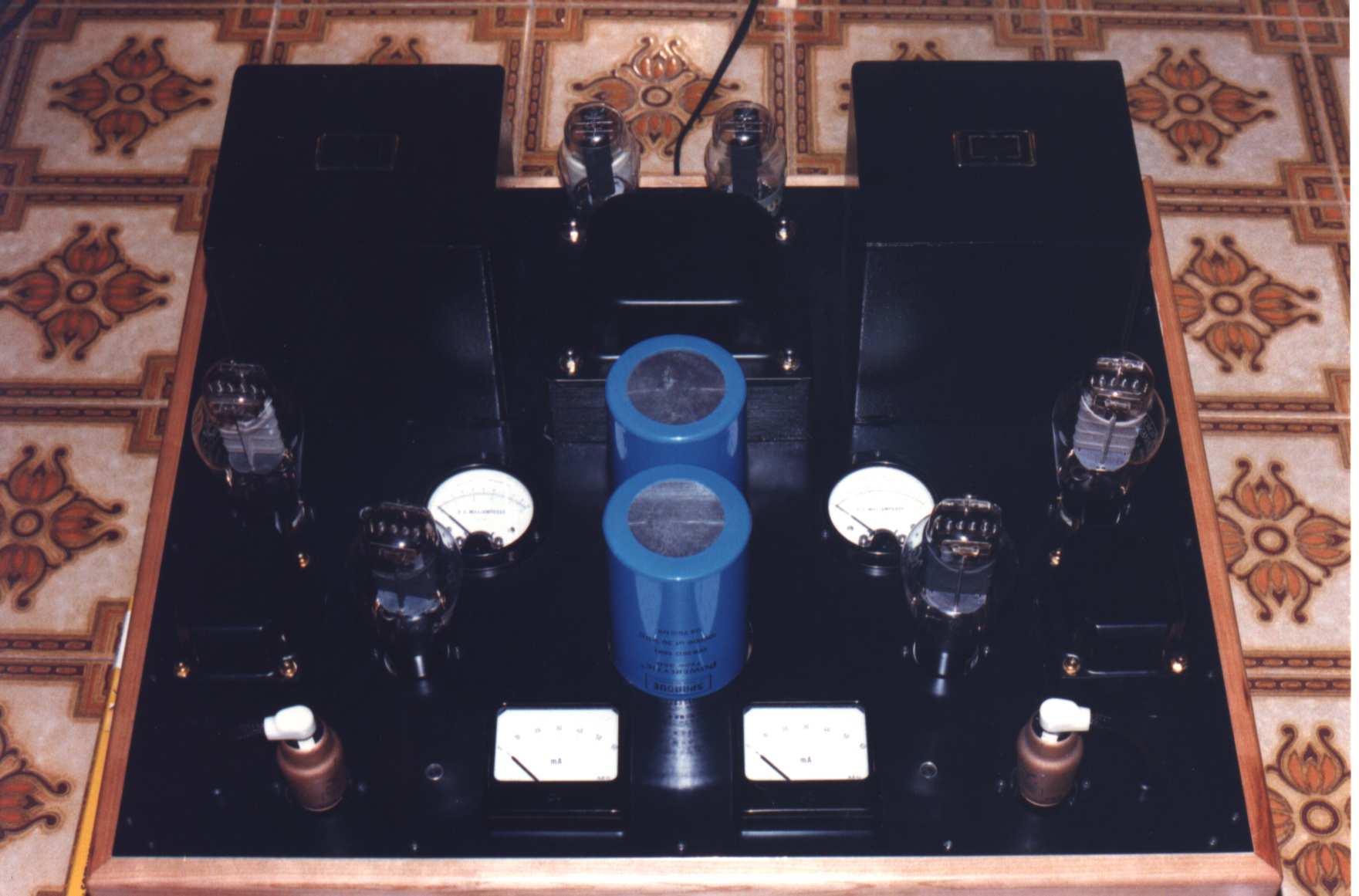
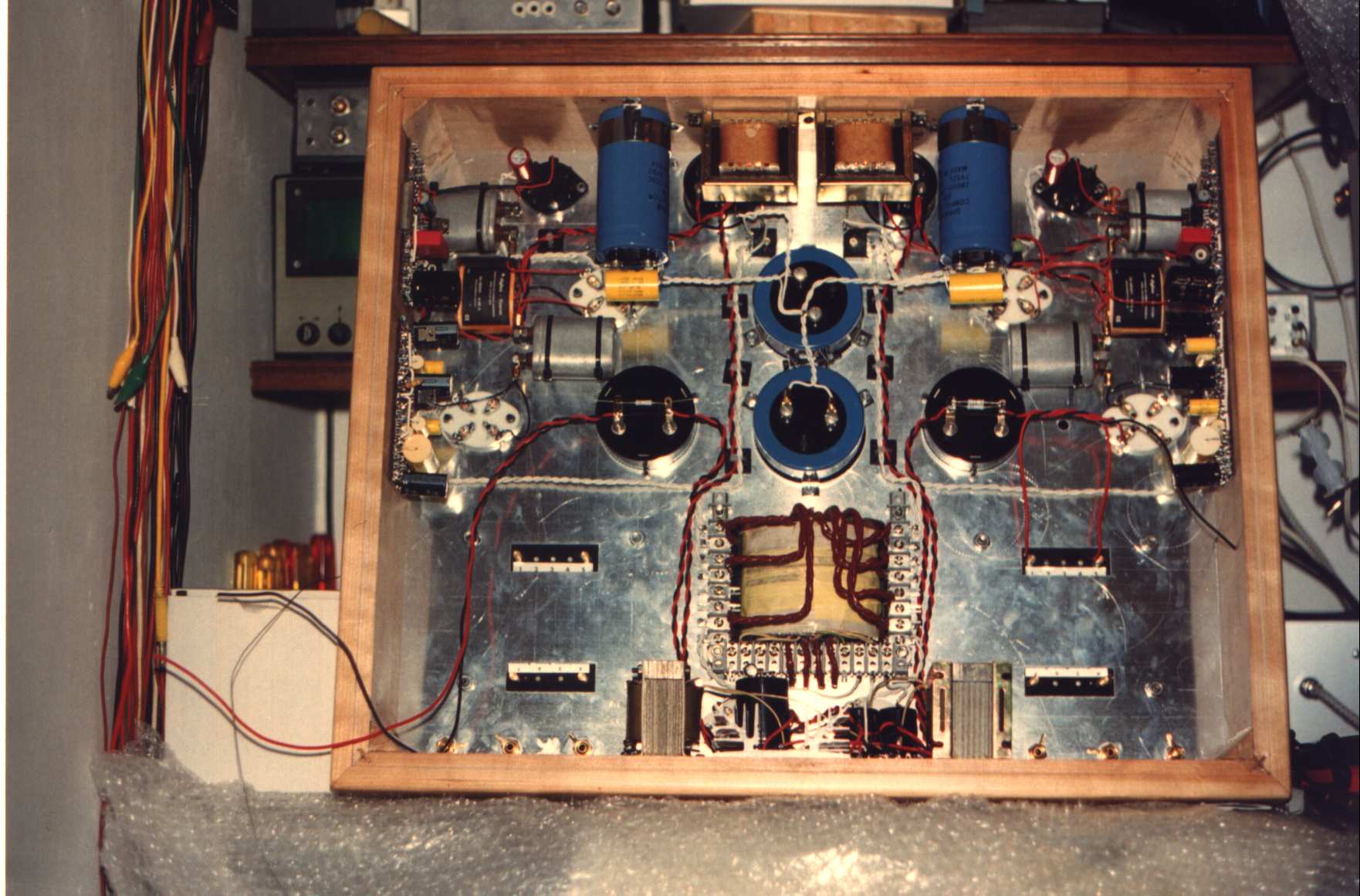
Presentato su Costruire HI-FI n° 51
non è un kit le uniche ! informazioni disponibili sono illustrate in questa pagina
is Not a Kit all informations available are showed in this Page
| Descrizione e filosofia di progetto |
Finale con 300B: cosa fare che non sia già stato fatto?
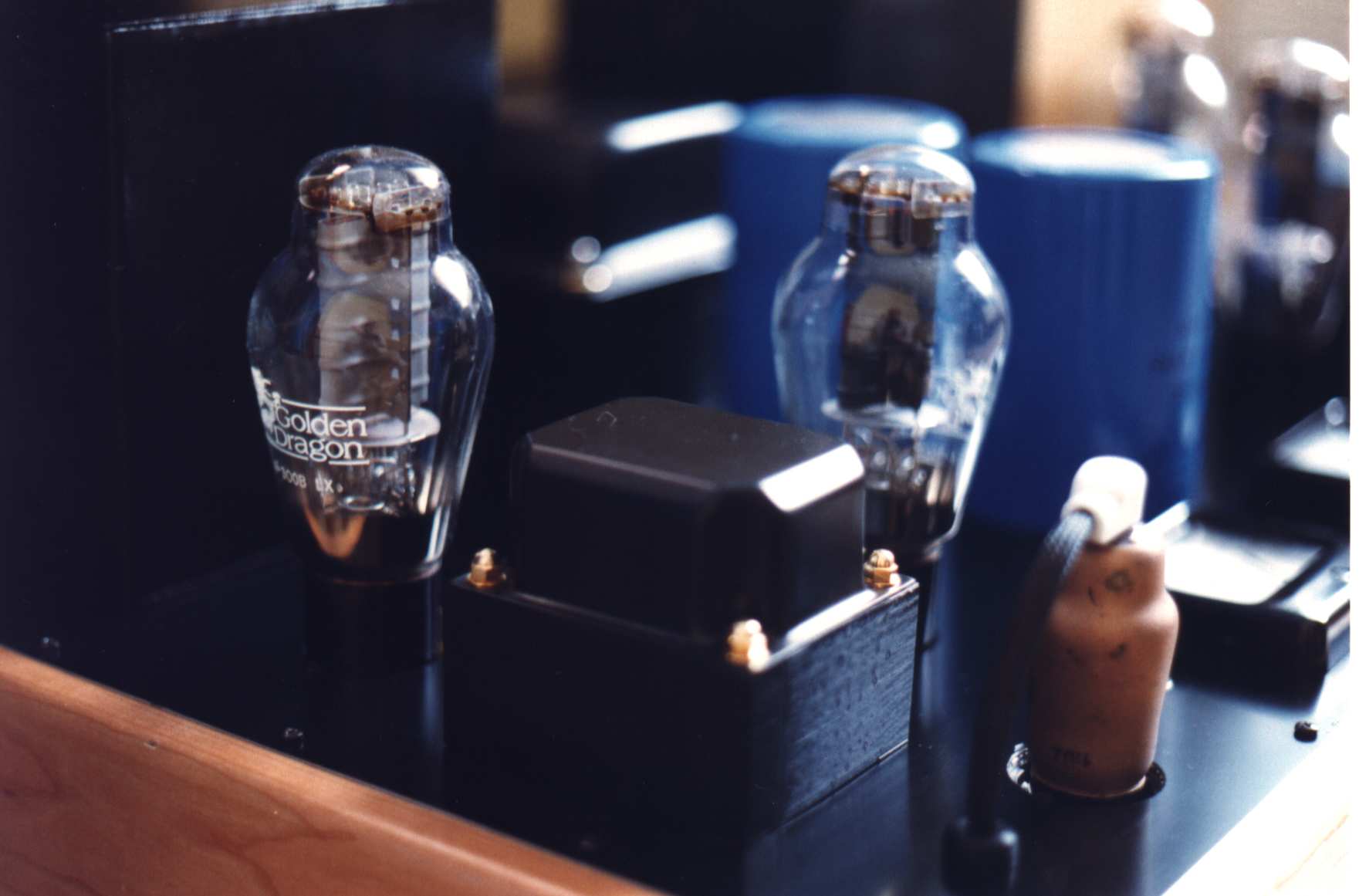
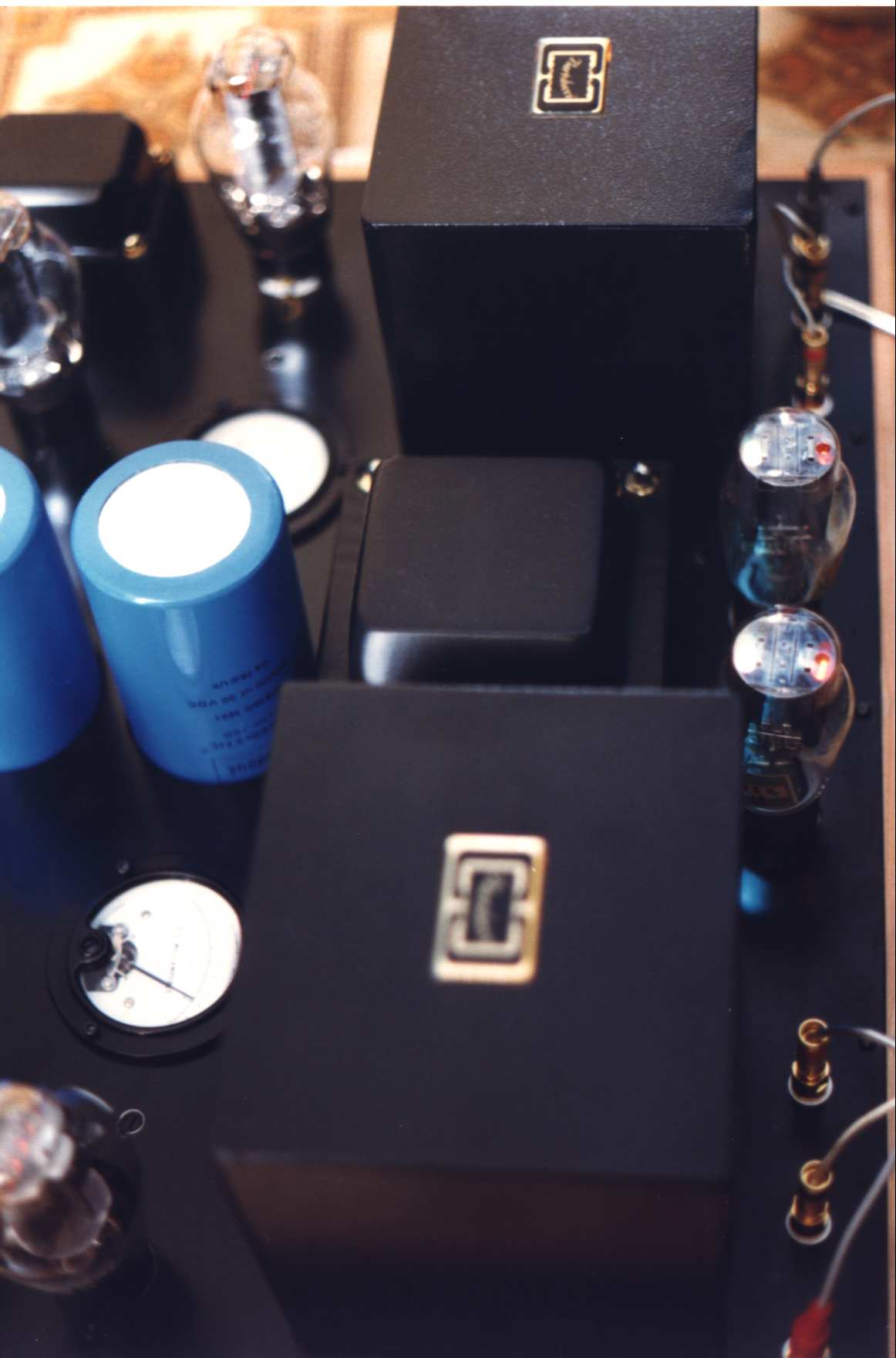
Avendo a disposizione un paio di trasformatori d’uscita per un SEP di 211, ma non avendo la necessità di arrivare a costruire un finale di questa portata, abbiamo voluto provare ad esplorare altre soluzioni. In linea generale avevamo la necessità di un amplificatore da una decina di watt, naturalmente a tubi e date le premesse, a struttura Single-Ended. In tale fascia di potenza sono relativamente molti tubi che possono garantire tale parametro, ma quanti lo sono ancora su di un carico di 4500 ohm? Pochi, molto pochi. A tutto ciò aggiungiamo pure la reperibilità, l’affidabilità e il costo, la rosa dei triodi si restringe molto. Abbiamo quindi finito per ripiegare su di un classico: la 300B. Questo triodo, in virtù della buona potenza di placca che è in grado di sopportare, riesce a fornire un discreto numero di watt in quasi tutte le configurazioni. A fronte di quest’indubbio vantaggio si deve però ammettere che come tubo termoionico ad accensione diretta ha prestazioni musicali certamente non brillanti. Lenta, goffa, con un mediobasso preponderante non ha mai convinto i più audaci autocostruttori che, se alla ricerca di elevate potenze, passano a triodi più difficili ma prestanti. Nel nostro caso però non potevamo spingerci troppo oltre per questioni d’ingombri e complicazioni. Dovevamo quindi rivedere tutto il mondo di luoghi comuni che gravita attorno al nostro dispositivo per raggiungere gli obiettivi prefissati. Cercando prima di tutto nella letteratura ufficiale, poi in quella storica ed infine in quella pionieristica, per un impiego simile a quello cui intendiamo sottoporre il nostro triodo di potenza, si deve ammettere di rimanere sconcertati dalla somiglianza dei progetti proposti. Nel nostro caso poi oltre lo sconcerto la delusione: possibile che nessuno abbia mai provato ad usare un carico così alto? Se è così una ragione ci deve essere e sicuramente la risposta è: è un carico sbagliato, troppa poca potenza rispetto al dispendio d’energia. Non ci siamo arresi e forse a ragione. Per arrivare alle scelte fatte è doveroso ringraziare le illuminanti parole di un grandissimo progettista, forse uno tra i più interessanti in questo panorama: Susumu Sakuma. Sakuma ha un modo di arrivare a concepire gli amplificatori veramente particolare, per rendersene conto basta ascoltare le sue parole, tratte da un articolo credo pubblicato anche su MJ:
“
Certain "unusual" aspects in my schematics present mysterious
contradictions and may raise doubts in some minds. You may say this is not
a volume control but rather a tone control because it interacts with my
intentionally mismatched input transformer. But who has such doubts among
those who have attended my audio concerts in Japan and Europe? I
understand that your doubts are grounded in accepted theory. I know this
because I had to work through the barriers of convention myself. Now I
assert that theory in electronics reference books took my favorite music
from my life for a long time. I think an amplifier builder should consult
with himself and his amplifier before asking the reference books and
authorities. It is only after much cut-and-try that I find my best
matching point for audio. The tube manual is like a telephone book. It
gives perfect numbers. It is useful to make it possible to speak with a
girl- but we cannot
Quello che in genere colpisce di più nei suoi progetti è l’abbondante uso di trasformatori. A parte questo “insignificante” particolare si traggono invero molte informazioni dai punti di lavoro scelti, dai carichi utilizzati, dalle modalità di pilotaggio. Più di tutti mi ha colpito questo finale nato per amplificare direttamente una testina phono. Faccio osservare che il finale presentato è completo, non ci sono due amplificatori poiché S. Sakuma è un fedele seguace dell’ascolto monofonico, spesso realizzato con finali a più stadi di potenza per ottenere la multi-amplificazione ed eliminare gli stadi di filtraggio passivo. Il finale presentato ha però colpito la mia attenzione per i carichi scelti e per l’idea di pilotare una 300B attraverso una 300B...... Questa era soltanto una piccola parte introduttiva.... (Il capitolato intero è di circa 25 pagine, complete di foto e formule), ho comunque promesso a Mauro di Audiokit di fare un piccolo riassunto da pubblicare sul sito, abbiate un pò di pazienza..... Per informazioni, potete contattarmi tramite Audiokit, mandando una E-Mail, alla mia attenzione |
Torna all'indice back to index
Prezzi e prodotti aggiornati sul nuovo sito Audiokit e-Shop cliccando qui !
Update prices & products on new e-Shop Audiokit website click Here
mercoledì, 02 luglio 2014